Kopitiam · Pasir Ris
The 6.40 Sip That Arrives First
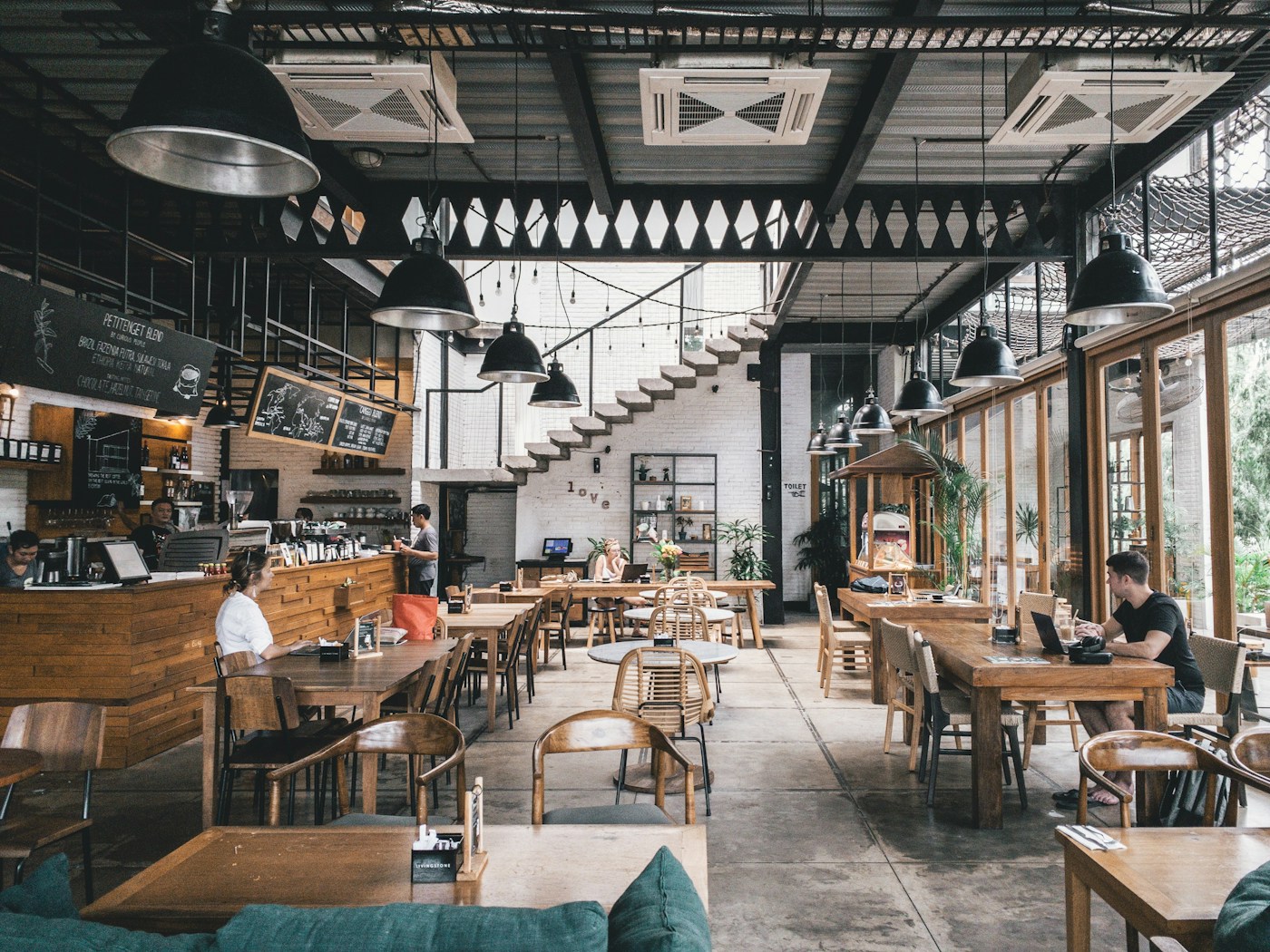
The uncle at the drinks stall does not wait for me to speak anymore. He sees my face and starts the pull — kopi-o kosong, less sweet than the default, hot enough to fog the cup. I arrive at 6.40 because that is the minute when the kopitiam belongs to people who are awake without being in a hurry, and the first sip lands before anyone queues behind me.
The marble table is cool under my forearms. Someone has wiped it already, though a faint ring from yesterday's glass still ghosts the surface if you tilt your head. The ceiling fans turn with that long ease they have at low speed — not fast enough to cool the air properly, fast enough to move the smell of toast and butter around the room like a slow current.
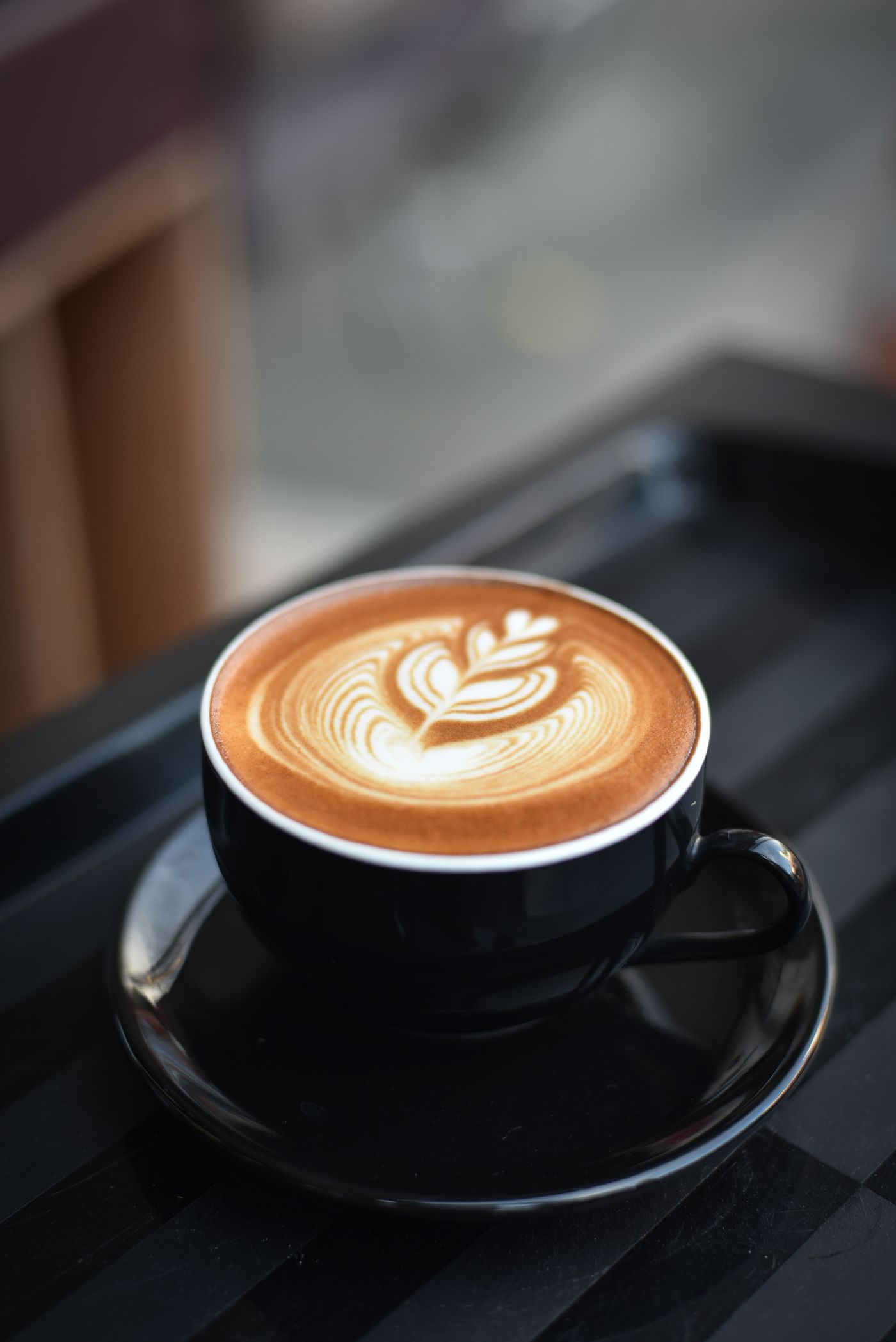
I take the first mouthful standing half-seated, which is a habit I picked up years ago and never corrected. The coffee hits the back of my tongue with the blunt honesty of a drink that has no interest in being refined. It is not specialty coffee. It is not trying to teach you about origin notes. It is kopi, and on a weekday morning that is exactly the contract I want.
By 6.50 the kopitiam changes character. Secondary school students appear in clusters, their bags hitting chair legs. An auntie opens her tiffin carrier with the confidence of someone who knows the egg is still warm. The uncle's arm moves faster — teh, milo, kopi peng, the orders stacking like a small percussion section. I stay in my lane at the corner table and let the room fill around me without joining the acceleration.
There is a particular pleasure in being the first sip and then becoming background. My cup empties in six minutes if I do not distract myself with my phone, which I mostly do not. I watch the toast man slide bread into the slot and listen to the crack when it pops. I notice which regulars nod at each other without speaking — the silent bookkeeping of a neighbourhood that shares a breakfast hour.
Pasir Ris mornings are humid even before the sun commits. The kopitiam is open on two sides and the air moves through without cooling much, but the fan above my table creates a pocket of motion that makes the heat tolerable. Outside, a bus exhales at the stop. A cleaner pushes a trolley across the void deck with wheels that need oil. None of this is remarkable. That is why I write it down.
I pay before the queue forms — four dollars and something that I do not bother to memorise because it never changes. The uncle slides my change across the counter with the same smooth arc every day. I walk home with the taste still sitting on my tongue and the day not yet asking anything difficult of me. The whole outing takes twenty minutes. It is the frictionless track I trust to start a morning: one drink, one table, one minute where nothing rushes me forward.
Tomorrow I will probably come again at 6.40. Not because I am sentimental about routine, but because the first sip before the crowd arrives is the clearest-headed version of me I can buy for four dollars. The kopitiam will smell the same. The uncle will already know. And for a little while the day will glide along without asking where it is going.